

The answer involves more than simply knowing how to apply makeup. Successful artists combine technical training, creativity, professionalism, client communication, and hands-on experience to build long-term careers.At Cosmix Makeup School, students can train in beauty, fashion, film, television, theater, skincare, and special effects makeup through programs designed to help prepare them for real-world opportunities. If you are serious about turning creativity into a career, this step-by-step guide can help you understand the path forward. Contact Cosmix School of Makeup Artistry today to request more information.
Step 1: Decide What Type of Makeup Artist You Want to Become
One of the first steps is choosing the type of makeup artistry career you want to pursue. Some artists focus on beauty and bridal makeup, while others specialize in entertainment, fashion, or special effects.
Popular makeup artist career paths include:
- Bridal makeup artist
- Fashion and editorial makeup artist
- Film and television makeup artist
- Theater makeup artist
- Special effects (FX) makeup artist
- Retail beauty artist
- Celebrity makeup artist
- Freelance makeup artist
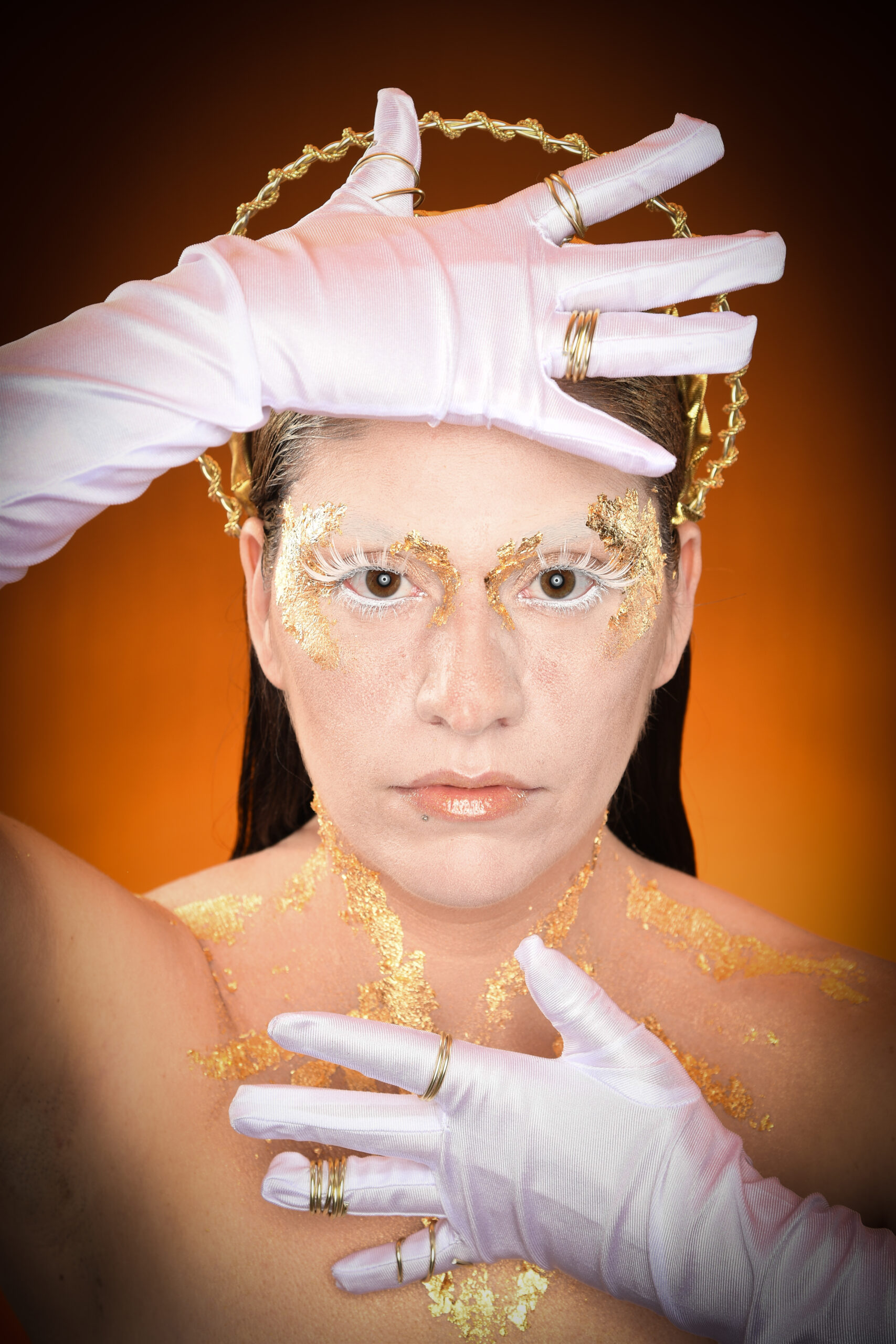 Each area requires different techniques, tools, and training. For example, bridal artists focus on long-lasting beauty applications, while special effects artists may work with prosthetics, sculpting, and character design.
At Cosmix, students can receive training across multiple makeup disciplines, allowing them to explore several career directions before specializing.
Step 2: Learn the Core Skills Professional Makeup Artists Need
Professional makeup artistry involves much more than applying products. Successful artists need technical, creative, and professional skills to stand out in competitive industries.
Important makeup artist skills include:
1. Color theory
2. Skin analysis
3. Face shapes and contouring
4. Sanitation and hygiene
5. Airbrush makeup
6. Product knowledge
7. Lighting awareness
8. Photography makeup techniques
9. Client communication
Time management
Portfolio development
Professional makeup artists also need adaptability because every client, production, or photoshoot may require different styles and techniques.
Programs at Cosmix focus heavily on hands-on learning so students can practice real-world applications while building confidence and technical precision.
Step 3: Choose Between Self-Taught Learning and Professional Training
Some makeup artists begin by teaching themselves through social media tutorials, online videos, and personal practice. While self-teaching can help develop creativity, professional training often provides more structured education and career preparation.
Professional makeup schools can help students learn:
- Industry-standard techniques
- Professional sanitation practices
- Portfolio development
- Set etiquette for productions
- Advanced artistry methods
- Networking opportunities
- Career preparation skills
Structured training can also help students avoid gaps in technical knowledge that may limit career opportunities later.
At Cosmix Makeup School, programs are designed to combine classroom instruction with practical hands-on experience in beauty, fashion, television, theater, and special effects makeup.
Step 4: Understand Florida Licensing Requirements
Licensing requirements are an important part of becoming a professional makeup artist in Florida. Depending on the services offered and where artists plan to work, skincare or cosmetology licensing may be necessary.
Florida regulations may require licensure for artists performing certain skin-related services professionally. This is one reason many students choose comprehensive programs that include skincare education alongside makeup artistry training.
The Master Makeup Artistry Pro program at Cosmix includes skincare education designed to help students prepare for Florida Skin Care Specialist licensing requirements while also receiving advanced makeup artistry training.
For students planning long-term careers in bridal beauty, salons, spas, or freelance artistry, understanding licensing requirements early can help avoid future limitations.
Step 5: Build Hands-On Experience
 Practical experience is essential in makeup artistry. Even talented artists improve significantly through repetition, real projects, and client interaction.
Professional makeup programs help students gain experience through:
- Photo shoots
- Fashion projects
- Creative collaborations
- Portfolio assignments
- Character makeup exercises
- Special effects applications
At Cosmix, students work in professional-style learning environments that simulate real beauty and entertainment industry settings.
Hands-on training allows students to develop speed, consistency, creativity, and confidence before entering the workforce.
Step 6: Create a Professional Portfolio
A strong portfolio is one of the most important tools for a makeup artist. Potential clients and employers want to see examples of your abilities before hiring you.
A professional makeup portfolio should showcase:
- Beauty makeup looks
- Editorial and fashion work
- Bridal applications
- Before-and-after transformations
- Creative artistry
- Special effects work if applicable
Students should also include high-quality photography and a variety of styles to demonstrate versatility.
Cosmix programs help students develop portfolio-ready work throughout their training, supporting job applications and freelance opportunities after graduation.
Step 7: Start Building Your Career
After completing training, many makeup artists begin building careers through freelance work, networking, internships, beauty counters, salons, production companies, or bridal services.
Some artists eventually specialize in:
- Film and television productions
- Editorial fashion shoots
- Wedding and event makeup
- Special effects makeup
- Theater productions
- Retail cosmetics
Networking and professionalism are critical for long-term success. Artists who consistently improve their skills, maintain strong portfolios, and build relationships within the industry often create more career opportunities over time.
Why Structured Training Can Make a Difference
While there are multiple paths into the beauty industry, structured education can help students develop technical skills faster while preparing for real-world industry expectations.
Programs like the Master Makeup Artistry Pro at Cosmix Makeup School combine training in beauty, fashion, television, theater, special effects, and skincare into a comprehensive educational path. This allows students to graduate with broader knowledge, stronger portfolios, and preparation for Florida licensing opportunities. Contact Cosmix School of Makeup Artistry today to request more information.
If you are serious about turning creativity into a career, structured training can make all the difference in helping you become a professional makeup artist in 2026 and beyond.