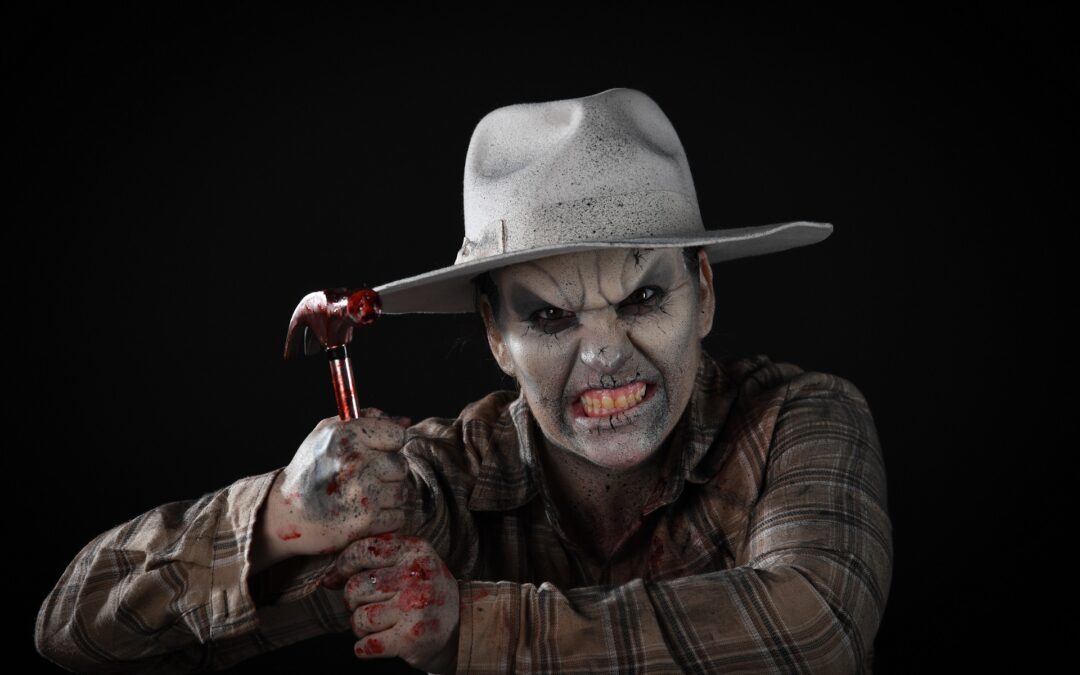
Prosthetic makeup is one of the most creative and technical areas of the beauty and entertainment industry. From transforming actors into fantasy creatures to creating realistic wounds, scars, and aging effects, prosthetic makeup allows artists to completely change a person’s appearance for film, television, theater, cosplay, and photography.
As movies, streaming productions, cosplay events, and special effects entertainment continue to grow in popularity, demand for skilled prosthetic artists has also increased. Many aspiring artists are now searching for prosthetic makeup training, prosthetics makeup course programs, and prosthetic design training opportunities to learn the skills needed for this specialized field.
If you are interested in creative artistry, character design, and special effects makeup, understanding how prosthetics work is the first step toward entering this exciting industry. Contact Cosmix School of Makeup Artistry for more information.
What Is Prosthetic Makeup?
Prosthetic makeup is the process of using specially designed pieces and materials to alter or enhance a person’s appearance. These prosthetics are applied directly to the skin to create realistic or fantasy effects that traditional makeup alone cannot achieve.
Prosthetic makeup is commonly used to create:
- Facial transformations
- Scars and wounds
- Monsters and fantasy creatures
- Aging effects
- Alien characters
- Enlarged facial features
- Burn effects and injuries
- Creature makeup for film and theater
Unlike standard cosmetics, prosthetic makeup involves sculpting, molding, casting, painting, and blending materials to achieve lifelike results.
Professional productions often rely on prosthetic artists to help bring characters to life in movies, television shows, haunted attractions, cosplay competitions, and stage performances.
How Is Prosthetic Makeup Made?
Creating prosthetic makeup involves several technical steps that combine art, sculpture, and makeup application. Professional artists often spend hours designing and applying custom prosthetics for a single character.
Concept and Character Design
The process usually begins with concept art or character planning. Artists collaborate with directors, costume designers, or clients to determine the final look.
Some artists sketch ideas by hand, while others use digital tools to visualize facial transformations and creature designs.
Sculpting the Prosthetic
Once the design is approved, artists sculpt the prosthetic using clay or other modeling materials. This sculpture becomes the foundation for the final prosthetic piece.
For example, if an artist is creating a monster forehead or a realistic scar, they first sculpt the shape and texture by hand.
Mold Creation
After sculpting, a mold is created around the sculpture. The mold allows artists to reproduce the prosthetic using professional materials like:
- Silicone
- Foam latex
- Gelatin
- Flexible rubber compounds
These materials are chosen based on the desired appearance, flexibility, and durability.
Casting the Prosthetic
The selected material is poured into the mold to create the final prosthetic appliance. Once cured, the piece is removed, cleaned, and prepared for painting.
Application and Blending
The prosthetic is applied to the actor or model using skin-safe adhesives. Artists carefully blend the edges into the skin using makeup techniques so the appliance appears seamless on camera or stage.
Painting, airbrushing, and texturing are then used to create realistic skin tones, bruising, aging, or fantasy effects.
Where Is Prosthetic Makeup Used?
Prosthetic makeup is used across several entertainment and creative industries. While many people associate it with horror films, prosthetics are used in far more productions than most realize.
Film and Television
Movies and television productions frequently use prosthetics to create realistic injuries, aging effects, fantasy creatures, and science-fiction characters.
Theater and Live Performances
Stage productions often require dramatic transformations that can be seen under strong lighting and from long distances.
Cosplay and Conventions
The cosplay industry has expanded significantly in recent years. Many costume enthusiasts use prosthetics to recreate movie characters, superheroes, monsters, and fantasy creatures.
Haunted Attractions and Theme Parks
Theme parks and haunted houses often hire prosthetic artists to create immersive guest experiences during live performances and seasonal events.
Editorial and Creative Photography
Photographers and creative directors frequently use prosthetic makeup for artistic campaigns, music videos, and fashion editorials.
Skills Needed for Prosthetic Makeup
Success in prosthetic artistry requires both creativity and technical precision. Artists must combine design knowledge with hands-on makeup application skills.
Some of the most important skills include:
Sculpting and Design
Artists need to understand facial structure, anatomy, and texture creation when designing prosthetics.
Attention to Detail
Realistic prosthetics rely on careful blending, painting, and finishing techniques.
Creativity
Prosthetic artists often create fantasy creatures, imaginative characters, and dramatic transformations.
Patience
Complex prosthetic applications can take several hours to complete.
Knowledge of Materials
Artists must understand how to safely use silicone, latex, adhesives, paints, and other professional products.
Because prosthetic makeup is highly technical, many artists choose professional prosthetic makeup training programs to develop these specialized skills.
Why Professional Prosthetic Makeup Training Matters
While online tutorials can introduce basic techniques, professional training provides hands-on experience, instructor guidance, and access to industry-standard materials.
A quality prosthetics makeup course can help students learn:
- Prosthetic sculpting techniques
- Mold-making and casting
- Character design
- Airbrush application
- Safety and sanitation practices
- Professional blending methods
- Portfolio development
Hands-on instruction also allows students to practice in real-world environments and receive feedback from experienced instructors.
Students interested in prosthetic design training often benefit from working on creative projects that simulate film, television, and theater productions.
How To Start Learning Prosthetic Makeup
For beginners, starting with foundational makeup artistry skills can make learning prosthetics easier. Many aspiring artists first study beauty makeup, color theory, and basic special effects techniques before moving into advanced prosthetic design.
When choosing a prosthetics makeup course, it is important to look for programs that offer:
- Practical hands-on learning
- Professional instructors
- Portfolio-building opportunities
- Access to industry-standard materials
- Training in both design and application
Building a strong portfolio is essential for finding opportunities in entertainment, freelance artistry, cosplay, and creative production industries.
Turn Creativity Into a Career
Prosthetic makeup combines sculpture, storytelling, makeup artistry, and special effects into one highly creative career path. Whether you dream of working in movies, theater, cosplay, television, or themed entertainment, learning prosthetic artistry can open the door to exciting opportunities.
With professional prosthetic makeup training, aspiring artists can develop the technical skills and creative confidence needed to bring imaginative characters to life. As the entertainment industry continues to grow, trained prosthetic artists remain an important part of visual storytelling and character design. Contact Cosmix School of Makeup Artistry for more information.