
Have you ever watched a movie or binge-worthy TV series and wondered who makes actors look flawless under bright studio lights—or transforms them into historical figures, superheroes, or futuristic characters? Behind every close-up scene is a skilled makeup artist whose work helps bring the story to life.
A TV and film makeup artist does much more than apply foundation or lipstick. They work closely with directors, actors, costume designers, hairstylists, and cinematographers to ensure every character looks believable from the first scene to the last.
As the entertainment industry continues to expand through streaming platforms, commercials, digital media, and independent productions, there are more opportunities than ever for aspiring makeup artists interested in working behind the camera.
At Cosmix Makeup School, students receive specialized training in makeup for film and television, preparing them for careers in movies, television, music videos, commercials, and other production environments. The school’s curriculum includes dedicated Film & TV training covering script breakdowns, continuity, HD makeup, production protocols, and working alongside cinematographers and actors. Contact Cosmix School Makeup Artistry today for more information.
More Than Just Applying Makeup
Many people assume film makeup is simply beauty makeup performed on celebrities. In reality, every production presents unique challenges.
A TV and film makeup artist must understand:
- Camera-ready makeup
- High-definition (HD) techniques
- Character development
- Lighting effects
- Continuity between scenes
- Production schedules
- Set etiquette
- Collaboration with multiple departments
Unlike salon or bridal makeup, film makeup must often withstand long filming days, changing weather conditions, multiple camera angles, and repeated takes.
Preparing Actors for the Camera
 One of the primary responsibilities of a film makeup artist is preparing performers before filming begins.
Depending on the project, this may include:
1. Creating natural-looking beauty makeup
2. Matching skin tones under studio lighting
3. Covering tattoos or blemishes
4. Grooming facial hair
5. Correcting shine for HD cameras
6. Applying aging or character makeup
Because today’s cameras capture incredible detail, makeup artists must understand products specifically designed for high-definition filming.
Cosmix’s Film & TV training introduces students to HD techniques, production products, and camera-ready makeup applications used across modern television and film productions.
Maintaining Continuity Throughout Production
One of the most overlooked responsibilities of a TV makeup artist is continuity.
Imagine a scene filmed over three different days. The actor’s makeup must appear exactly the same in every shot so audiences never notice the production timeline.
Film makeup artists carefully document details, including:
- Foundation shades
- Lip colors
- Eye makeup placement
- Hairstyle appearance
- Injuries or bruises
- Sweat or dirt effects
- Facial hair positioning
Professional productions often require artists to create continuity journals with photographs and notes so every scene remains visually consistent.
Cosmix teaches students how to break down scripts, maintain continuity journals, and understand production workflows before filming begins.
Character Makeup Helps Tell the Story
Not every production requires glamorous beauty makeup.
Many television shows and films involve character transformations that help audiences believe the story.
A TV and film makeup artist may create:
-
- Historical appearances
- Character aging
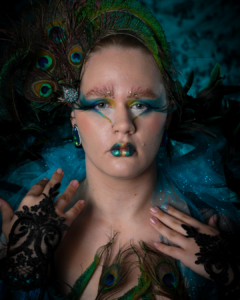
- Fantasy characters
- Realistic injuries
- Zombie effects
- Tattoos
- Weathered or dirty appearances
Character makeup supports storytelling by visually communicating who a character is before they even speak.
Students enrolled in Cosmix’s advanced programs study character effects alongside film, television, theater, and special effects makeup to develop versatile creative skills.
Every Production Is Different
One of the most exciting aspects of working in television and film is that no two productions are alike.
Film makeup artists may work on:
- Feature films
- Streaming series
- Television dramas
- Sitcoms
- Reality TV
- News broadcasts
- Commercials
- Music videos
- Independent films
Each project has its own schedule, creative direction, lighting conditions, and production requirements.
Cosmix’s TV and Film Makeup course exposes students to these different production environments while teaching industry terminology, protocols, and pre-production responsibilities.
Technical Skills Every Film Makeup Artist Needs
 Creative talent is only one part of becoming successful in film and television makeup.
Professional artists also develop technical skills, including:
- Color correction
- Airbrush makeup
- High-definition product selection
- Script interpretation
- Time management
- Sanitation practices
- Communication with production crews
- Problem-solving under pressure
Because productions often run on strict schedules, makeup artists must work efficiently without sacrificing quality.
Hands-on practice helps students develop the speed and consistency expected in professional environments.
Why Professional TV Makeup Artist Training Matters
Many aspiring artists begin by watching tutorials online, but professional productions demand much more than beauty trends.
A structured TV makeup artist training program provides students with practical experience using techniques specifically designed for cameras, lighting, and production schedules.
Professional education helps students learn:
- Film industry terminology
- Production workflow
- High-definition makeup
- Continuity documentation
- Script analysis
- Camera-ready application techniques
- Collaboration with actors and crew members
At Cosmix Makeup School, students learn from experienced industry professionals while working in hands-on environments that simulate real production settings. Programs include specialized instruction in beauty, fashion, film, television, theater, character makeup, and special effects, helping students build well-rounded skills for entertainment careers.
Career Opportunities Beyond Hollywood
Many people assume film makeup careers only exist in Hollywood, but opportunities are much broader.
Graduates with training in makeup for film and television may pursue work in:
- Television studios
- Streaming productions
- Commercial agencies
- Independent filmmaking
- Music video production
- Live broadcasts
- Digital content creation
- Corporate video production
- Entertainment events
Some artists also combine film work with bridal makeup, editorial photography, theater productions, or special effects to create diverse freelance careers.
Turn Your Passion Into a Career
If you’ve ever imagined seeing your work on the big screen, behind a streaming series, or during a live television broadcast, becoming a TV and film makeup artist can be an exciting career path.
Success in this industry requires more than creativity—it requires technical knowledge, professionalism, adaptability, and hands-on experience.
At Cosmix Makeup School, aspiring artists receive specialized training in TV makeup artist training, makeup for film and television, character artistry, and production techniques that help prepare them for today’s entertainment industry. Students learn the practical skills, production protocols, and creative techniques needed to pursue opportunities across film, television, commercials, music videos, and beyond. Contact Cosmix School Makeup Artistry today for more information.