
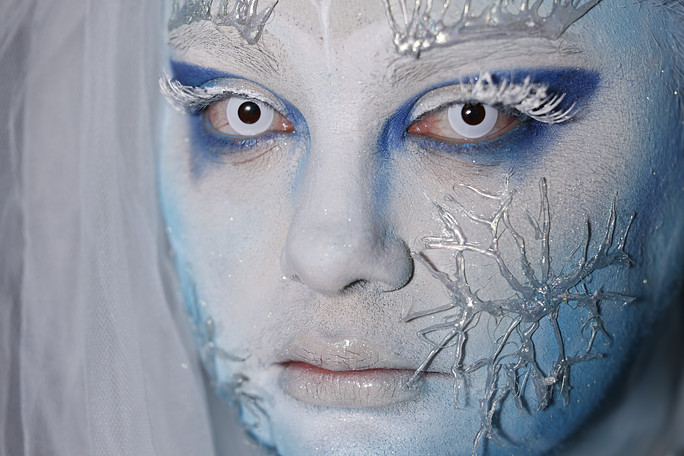
As the entertainment industry continues to expand in 2026, special effects makeup careers are attracting artists who want more than traditional beauty work. Film studios, television productions, theaters, and entertainment companies all rely on skilled FX makeup artists to help bring stories and characters to life.
At Cosmix Makeup School, students can train in prosthetics, character makeup, film, television, theater, and special effects artistry through hands-on educational programs designed for aspiring entertainment industry professionals. Contact Cosmix School of Makeup Artistry today to request more information.
What Does a Special Effects Makeup Artist Do?
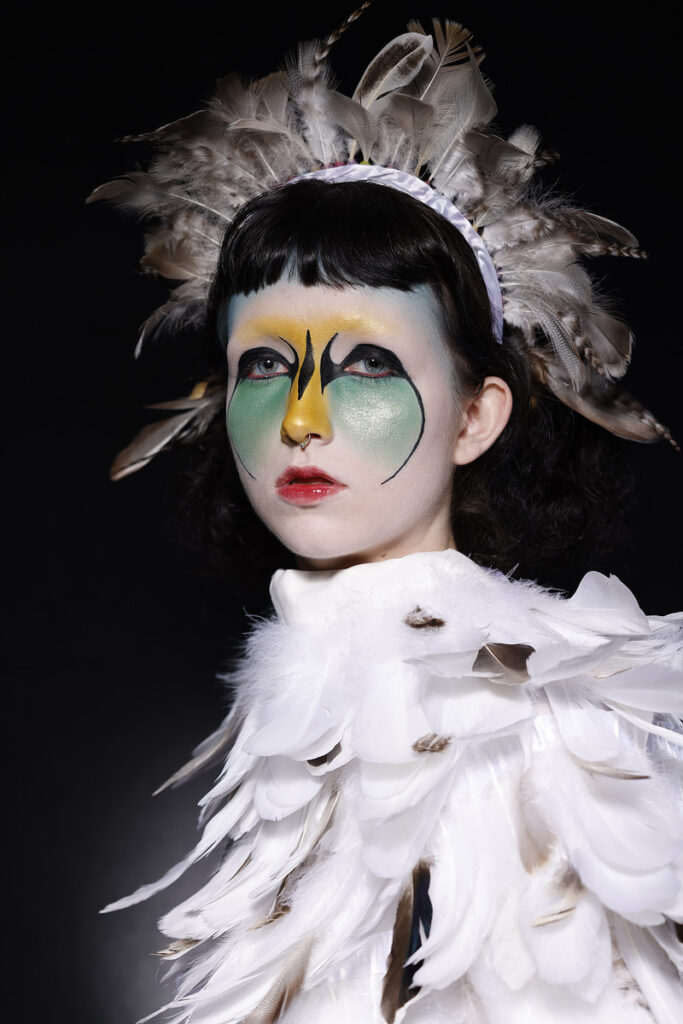 Special effects makeup artists create visual transformations that cannot be achieved with standard beauty makeup alone. Their work helps actors appear injured, aged, supernatural, monstrous, or completely transformed for productions.
Depending on the project, special effects makeup artists may work on:
1. Movies
2. Television shows
3. Streaming productions
4. Theater performances
5. Music videos
6. Theme park attractions
7. Haunted houses
8. Commercial productions
9. Cosplay and entertainment events
Special effects artists often combine makeup with sculpting, prosthetics, painting, and design techniques to create realistic or imaginative visual effects.
At Cosmix, students receive training in character makeup, prosthetics, fantasy artistry, injury simulation, and creative special effects applications used throughout the entertainment industries.
Why Special Effects Makeup Careers Continue to Grow
The rise of streaming platforms, independent productions, social media content creation, and entertainment experiences has increased demand for creative artists who can produce realistic and visually compelling effects.
Even with digital CGI technology becoming more common, practical special effects makeup remains highly valued because it creates realistic textures, physical transformations, and authentic actor interaction on set.
Many productions combine practical effects with digital editing, making trained FX artists essential collaborators within production teams.
This creates exciting opportunities for artists interested in combining creativity with technical craftsmanship.
Special Effects Makeup Salary Potential
One reason many students explore special effects makeup careers is the earning potential within the entertainment industry. Income can vary depending on experience, location, specialization, and production size.
Entry-level artists may begin with freelance projects, theater productions, haunted attractions, bridal character work, or independent film opportunities. As artists gain experience and build professional portfolios, they may qualify for larger productions and higher-paying projects.
Experienced special effects makeup artists working in film and television productions can potentially earn significantly more than traditional beauty-only makeup artists, especially when working on large-scale productions, union projects, or specialized prosthetic effects.
Freelance opportunities may also allow artists to work across multiple industries, including:
- Television
- Film
- Theater
- Fashion editorials
- Theme parks
- Creative photography
- Commercial advertising
- Special events
Because many FX artists work independently or contractually, networking and portfolio development play a major role in long-term income growth.
Essential Skills for Special Effects Makeup Artists
 Breaking into film and television makeup requires more than creativity alone. Successful FX artists develop both artistic and technical abilities through practice and specialized training.
Prosthetics Application
One of the most important skills in special effects makeup is prosthetic application. Prosthetics are used to transform actors into fantasy creatures, aging characters, monsters, or injured individuals.
Artists learn how to apply, blend, paint, and remove prosthetic pieces while maintaining realistic detail under professional lighting and camera conditions.
At Cosmix, students receive hands-on exposure to prosthetic and character makeup techniques used within entertainment productions.
Character Design
Special effects makeup artists often help create visual identities for characters. This may involve designing makeup concepts, sculpting facial features, aging actors, or creating fantasy appearances that match a production’s storyline.
Strong character design skills allow artists to contribute creatively while working collaboratively with directors, costume designers, and production teams.
Film and Television Set Experience
Working on film and television productions requires professionalism, speed, communication, and adaptability. Production schedules can be demanding, and artists must work efficiently under pressure.
Students pursuing special effects careers benefit greatly from training environments that simulate real production settings. Learning proper set etiquette and teamwork helps prepare artists for professional opportunities after graduation.
Cosmix incorporates hands-on practical learning into programs so students can develop experience in entertainment-style environments while building technical confidence.
Sculpting and Creative Techniques
Many advanced FX artists also learn sculpting, mold-making, painting, body art, and texture creation. These techniques help create realistic wounds, creatures, masks, and fantasy effects.
Developing these specialized skills can help artists stand out in competitive entertainment industries.
Why Specialized Training Matters
Some aspiring artists attempt to learn special effects makeup independently through online tutorials and social media videos. While self-teaching can help introduce basic concepts, professional training often provides more structured education and hands-on practice.
Specialized training programs help students learn:
- Industry-standard materials and tools
- Sanitation and safety practices
- Camera-ready application techniques
- Character makeup methods
- Prosthetic blending and painting
- Professional production workflows
- Portfolio development
At Cosmix Makeup School, students train in film, television, theater, and special effects makeup through programs designed to support real-world creative careers.
Students can practice advanced artistry techniques while developing portfolios that showcase their technical abilities and creative range.
Building a Portfolio for Film & TV Makeup Careers
A strong portfolio is one of the most important tools for breaking into the entertainment industry. Production companies and creative directors often review portfolios before hiring artists.
Special effects makeup portfolios should include:
- Prosthetic work
- Character transformations
- Injury simulations
- Fantasy makeup
- Aging makeup
- Creature designs
- Behind-the-scenes process photos
High-quality photography and diverse examples can help demonstrate both technical skill and artistic creativity.
Turning Passion Into a Professional Career
Special effects makeup offers exciting opportunities for artists who love creativity, storytelling, film, television, and transformation artistry. Whether your goal is to work on movie sets, streaming productions, theater performances, or themed entertainment experiences, building professional skills is essential.
At Cosmix Makeup School, students receive hands-on training in prosthetics, film makeup, television artistry, theater techniques, and character design while learning from experienced instructors in creative studio environments. Contact Cosmix School of Makeup Artistry today to request more information.
The difference between passion and profession is specialized training.