
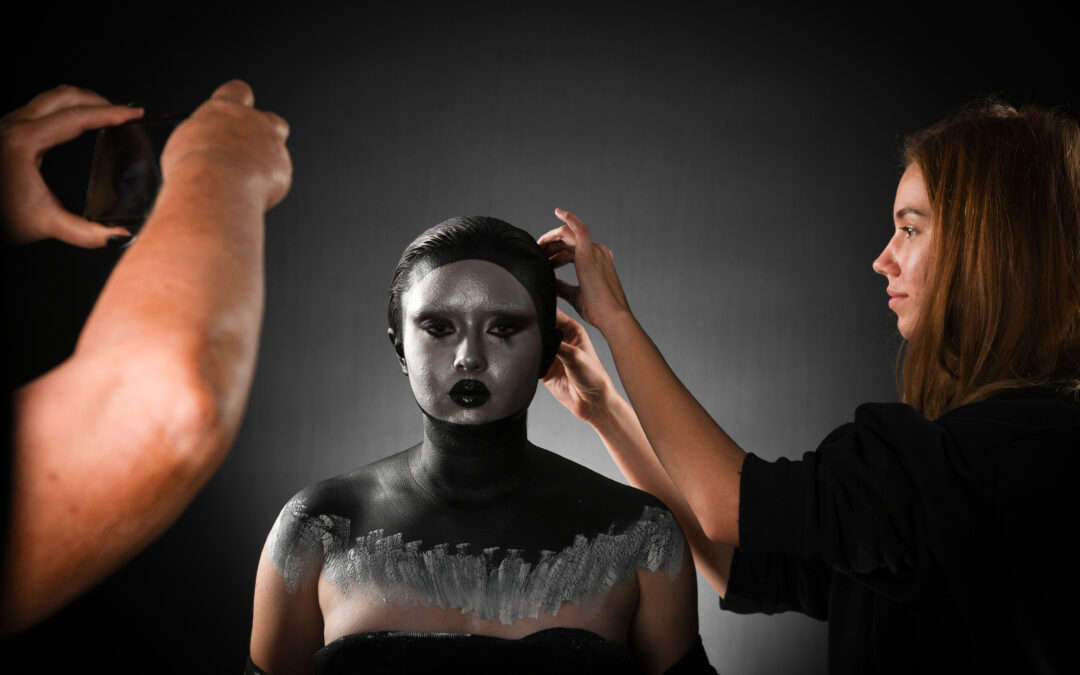
Movies, television shows, haunted attractions, cosplay events, and even music videos all have one thing in common: the power to transform reality through visual storytelling. One of the most exciting ways artists create these transformations is through special effects makeup. From realistic wounds and aging effects to fantasy creatures and prosthetic characters, special effects makeup blends creativity, technical skill, and imagination into a unique art form.
For anyone interested in entering the entertainment or beauty industry, understanding the basics of SFX artistry is the first step toward building an exciting creative career. Whether you are searching for special effects makeup training, exploring an SFX makeup course, or researching SFX makeup classes near me, this guide explains what SFX makeup is and how beginners can get started. Request more information today!
What Is Special Effects Makeup?
Special effects makeup, often called SFX makeup, is the art of using cosmetics, prosthetics, molds, and other materials to create dramatic physical transformations. Unlike traditional beauty makeup, which focuses on enhancing natural features, SFX makeup is designed to alter appearance for storytelling purposes.
SFX artists can create:
- Cuts, bruises, burns, and wounds
- Aging effects
- Fantasy creatures and monsters
- Alien or zombie transformations
- Prosthetic noses, ears, and facial structures
- Character makeup for film, television, theater, and cosplay
This type of artistry combines elements of sculpture, painting, design, and makeup application. Professional artists often work closely with film directors, photographers, actors, costume designers, and production teams to bring characters to life.
At Cosmix School of Makeup Artistry, students can train across multiple areas of makeup artistry, including beauty, fashion, film, television, theater, and special effects makeup.
What Does an SFX Makeup Artist Do?
An SFX makeup artist creates realistic or imaginative effects using specialized techniques and materials. Depending on the project, artists may focus on subtle details or full character transformations.
Some common responsibilities include:
Designing Characters
Before applying makeup, artists often sketch concepts or collaborate with creative teams to determine the final look of a character.
Sculpting Prosthetics
Many SFX artists learn to sculpt facial pieces, wounds, or creature designs using clay and molds. Prosthetics can then be applied to actors to completely transform their appearance.
Applying Makeup Effects
Artists use airbrushing, painting, blending, and texturing techniques to make effects appear realistic on camera or stage.
Working With Materials
Professional SFX makeup involves materials like silicone, gelatin, foam latex, and adhesives. Students in advanced special effects makeup training programs learn how to safely work with these products.
Creating Props and Accessories
Some SFX artists also design armor, masks, wings, weapons, and cosplay accessories to complete a character’s transformation.
Where Is SFX Makeup Used?
Special effects makeup is used in a wide range of industries. While many people associate it with horror movies, the field is much broader than that.
Film and Television
SFX artists help create everything from realistic injuries to fantasy creatures and science-fiction characters.
Theater Productions
Stage productions often require dramatic makeup that can be seen from a distance under bright lights.
Theme Parks and Haunted Attractions
Theme parks and seasonal haunted houses frequently hire SFX artists to create immersive guest experiences.
Cosplay and Conventions
The popularity of comic conventions and cosplay events has increased demand for artists who can create detailed fantasy and superhero looks.
Photography and Music Videos
Editorial photo shoots and music productions often use special effects makeup to create bold, artistic visuals.
According to Cosmix, students interested in the entertainment industry can train in prosthetics, creature design, cosplay, and character makeup as part of specialized SFX programs.
Skills Needed for SFX Makeup Artistry
Success in SFX makeup requires more than artistic talent. Professional artists develop technical skills, patience, and attention to detail over time.
Some of the most important skills include:
Creativity
SFX artists must think visually and develop original concepts for characters and effects.
Sculpting and Design
Creating prosthetics and molds requires a strong understanding of shape, structure, and texture.
Color Theory
Realistic makeup effects rely on proper shading, blending, and color application.
Patience and Precision
Detailed applications can take several hours to complete, especially for film productions.
Adaptability
Artists may work in fast-paced environments where last-minute adjustments are common.
Professional makeup schools often teach these skills through hands-on training and live demonstrations. At Cosmix, students gain experience in classroom instruction, studio work, and professional photo shoots designed to simulate real industry environments.
Why Professional Special Effects Makeup Training Matters
Many beginners start by watching tutorials online, but professional training provides structured education, mentorship, and real-world practice. Industry professionals often emphasize the importance of hands-on instruction and networking opportunities when learning SFX makeup.
A quality special effects makeup training program can help students:
- Learn proper sanitation and safety procedures
- Practice advanced prosthetic application
- Receive instructor feedback
- Build a professional portfolio
- Gain industry experience
- Develop business and client communication skills
Programs at Cosmix include instruction in prosthetics, makeup, creature design, and cosplay, allowing students to work with professional-grade materials and techniques.
What to Look for in an SFX Makeup Course
If you are researching an SFX makeup course, there are several important factors to consider.
Hands-On Experience
Look for programs that include practical projects instead of only theory-based instruction.
Industry-Relevant Curriculum
Courses should cover prosthetics, molding, airbrushing, character design, and makeup application techniques.
Experienced Instructors
Learning from industry professionals can provide valuable insights into film, television, and entertainment production environments.
Portfolio Development
Strong portfolios are essential for finding work in the entertainment industry.
Career Preparation
Some schools also help students prepare for freelance work, networking, and entry-level opportunities.
Starting Your Journey Into SFX Artistry
Special effects makeup is a unique career path that combines imagination, technical skill, and storytelling. For beginners who are passionate about film, theater, cosplay, or creative design, SFX artistry offers endless opportunities for artistic expression.
Whether your goal is to create cinematic creatures, realistic prosthetics, or fantasy-inspired character designs, professional training can help you build the foundation needed for success. If you have been searching for SFX makeup classes near me, choosing a specialized makeup school with hands-on experience and industry-focused instruction can be an important first step toward turning your creativity into a career. Contact Cosmix Makeup School today to request more information.
To learn more about programs in special effects makeup, prosthetics, and character design, visit Cosmix School of Makeup Artistry.